By – Dr Geetika Jasal, Medical Spokesperson, Cryoviva Life Sciences
Cancer care is witnessing significant advancements as medical science continues to explore more precise and effective treatment approaches. Among these developments, stem cell transplantation has established itself as an important therapeutic intervention for certain blood cancers. As India observes National Cancer Awareness Day on November 7, the occasion offers an opportunity to highlight how cellular science, biological preservation and transplantation technologies are contributing to the evolving landscape of cancer care.
Understanding the Role of Stem Cells in Blood Cancer Treatment


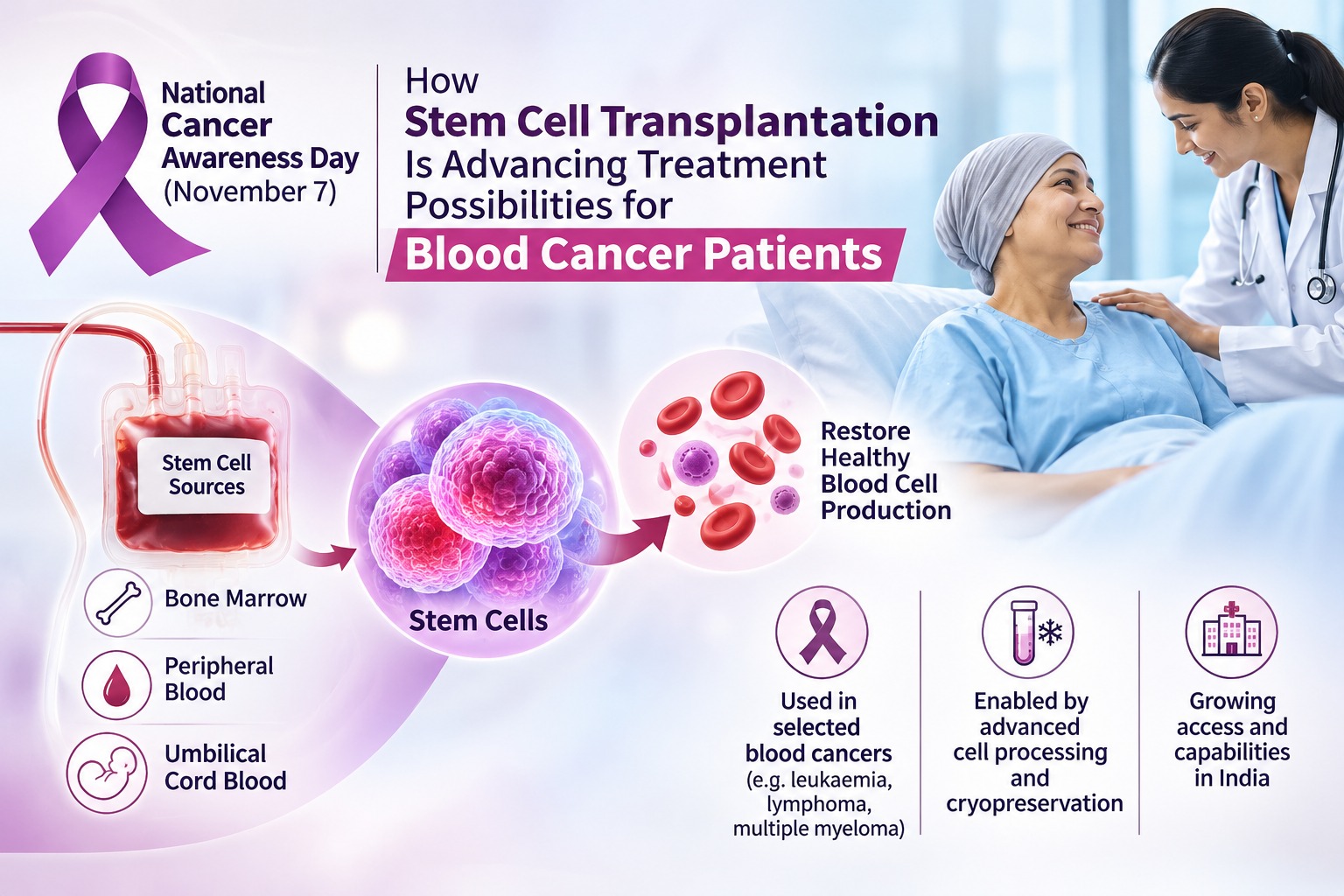
Blood cancers, including leukaemia, lymphoma and multiple myeloma, affect the normal functioning of blood cells and bone marrow. Hematopoietic stem cell transplantation (HSCT) is an established treatment option for selected patients with these conditions.
The procedure involves introducing healthy blood-forming stem cells to restore the body’s ability to produce blood cells following intensive chemotherapy. Depending on the patient’s condition, these cells may come from patient’s own body (autologous transplantation) or from a compatible donor (allogeneic transplantation).
While transplantation is not suitable for every patientand carries significant risks, it has become an important component of modern haematological cancer care, supported by decades of clinical research and medical experience.
Biological Preservation: Supporting Established Medical Applications
The progress of stem cell transplantation is closely connected to advancements in biological preservation and cellular processing technologies.
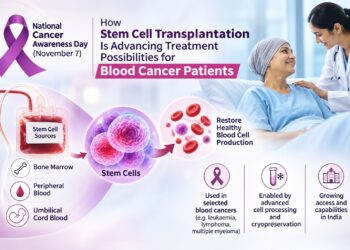
Hematopoietic stem cells can be obtained from bone marrow, peripheral blood and umbilical cord blood. Cord blood, in particular, represents an established alternative source of stem cells for certain transplantation procedures.
Scientific advancements in cryopreservation, laboratory processing and quality management have strengthened the ability to preserve biological materials while maintaining their viability for potential clinical use.
However, the availability of preserved stem cells does not automatically guarantee treatment suitability. Clinical decisions depend on factors such as disease type, cell dose, HLA compatibility, donor suitability and individual medical requirements.
Strengthening India’s Stem Cell Transplantation Ecosystem
India’s healthcare ecosystem has witnessed growing capabilities in specialised transplantation services, supported by improvements in medical infrastructure and clinical expertise.
Nevertheless, challenges surrounding treatment accessibility, donor availability, affordability and public awareness continue to require attention.
Greater collaboration between healthcare institutions, transplant specialists, researchers and biological preservation organisations can contribute to strengthening this ecosystem.
From an industry perspective, the priority should be to support scientifically validated applications, responsible innovation and greater public understanding of stem cell technologies.
The Road Ahead: Science, Awareness and Responsible Innovation
The future of cellular medicine lies in combining established transplantation practices with continued scientific research.
While regenerative medicine is exploring new therapeutic possibilities, it is essential to distinguish emerging experimental applications from treatments already supported by clinical evidence.
This National Cancer Awareness Day, awareness must extend beyond recognising symptoms to understanding theprevention, early detection and treatment options available for different cancers.
As healthcare leaders, our responsibility is to encourage informed conversations, strengthen scientific credibility and support innovations that can translate into meaningful patient outcomes.
Ultimately, progress in cancer care is measured not simply by scientific breakthroughs, but by how effectively proven medical advancements reach the patients who need them.
Reference Link
https://www.cancer.gov/about-cancer/treatment/types/stem-cell-transplant?utm_
https://www.icmr.gov.in/icmrobject/custom_data/pdf/resource-guidelines/Nat_Guide_HCT.pdf?utm_
https://www.isscr.org/patients?utm_